Plot: What’s it about?
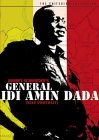
The man known as General Idi Amin Dada came from humble roots, rose through the ranks, became a trusted person, then became the leader of his nation. This kind of story seems like it should warrant applause and perhaps even tears, but in the case of Idi Amin, few outside of his followers would grant such notions. Idi Amin did all those things I mentioned, but he used brutal methods to gain his power, throwing his former mentor out of office and out of his home, then offering a reward (dead or alive) on his head, but that was just the start. As those who remember can tell you, Amin was one of the most notorious, hated men in the world for a time, as his grasp over Uganda tightened and brought immense consequences as a result. Amin was a calculating leader, but his emotions could overtake him with ease, though he always made sure to cover up his darker dealings, even if that meant countless murders. It is said that over three hundred thousand people were killed during Amin’s reign, to bolster, secure, and expand his powers. But in Barbet Schroeder’s General Idi Amin Dada, we’re able to take a look at this monster up close, to see the normal side of him, as well as the more malicious, violent side.
I’ve read a number of articles, scanned a lot of headlines, and watched a ton of news footage about Idi Amin, but never has his story been told like this. Of course, you can’t expect anything else to compare to actual footage of the man himself, telling his stories, going through his paces, and just being himself, but even so, this piece is a real eye opener. You can tell Amin is sometimes playing to the camera and even holds back his anger at times, but on the whole, this is a real look at life inside of Amin’s Uganda. As he speaks, you can see his ability to speak and make people believe in him, but also that sparkle of violence, which can be eerie at times. Amin guides through his land, shows off his military forces, and even gives us some insight into how he became the person he is, thanks to stories about his youth and rise to power. These days, Amin has drifted into our memories and retired to Saudi Arabia, but I think his story is still an interesting one. It fills in a lot of the personal gaps of Amin’s story, that you just couldn’t pick up from news broadcasts & magazine articles, as they lack the closeness to the material. If you’re interested in Amin’s history or just want to learn about one of history’s most notorious leaders, this is more than recommended.
Video: How does it look?
General Idi Amin Dada is presented in a full frame transfer, as intended. I was pleased with the image found here, though some flaws do surface, as is to expected. The folks at Criterion have cleaned up the print a lot, but some lingering defects remain, though nothing serious enough to be worried about. There is some grain and a mark here & there, but given the age and documentary nature, I doubt anyone will complain. The colors of Uganda look good here also, with the greens especially bright, though some fading can be seen. I can’t imagine this film looking much better than this, given the time in which it was made and circumstances involved, so I commend Criterion for their efforts on this release.
Audio: How does it sound?
The mono track used here has been treated to remove age related defects, so minimal hiss, pops, and distortion are to be heard. This is a documentary after all, so aside from Amin’s accordion score, all we have is narration and natural sound. It all sounds good here however, with about as much range as mono allows, which is all we can expect. The vocals come through very well, while the score is also clean and well presented. This disc also includes optional English subtitles, in case Amin’s accent proves to be too much.
Supplements: What are the extras?
This disc includes a timeline of Ugandan history, a guide to the cuts demanded by Amin, and a special video interview with director Barbet Schroeder.