Plot: What’s it about?
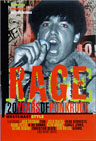
This retrospective documentary looks at the punk scene on America’s west coast, from Dead Kennedys to The Circle Jerks. Via a series of interviews with key players in the evolution of the scene, we’re given some insight into how it all came together. You’ll hear from such musicians as Jello Biafra (Dead Kennedys), Duane Peters (US Bombs), Don Bolles (The Germs), Jack Grishman (TSOL), Keith Morris (The Circle Jerks), and numerous others, all of whom do their best to recall the earlier days of west coast punk. In addition to the new interviews included here, the filmmakers also use vintage live performance footage, as well as some other sources, to inform, entertain, and put it all into better perspective. This piece follows punk as it first appears on the west coast, then traces it through several bands and watches it evolve, so to speak. This one has a limited view on the issue however, with a focus on the genesis of the movement only, so don’t expect an in depth or long term study on the subject matter.
I think this one has one audience in mind, people who are or want to be punk rockers and that’s about it. I am all for well made documentaries on any given subject, but this one is slapped together and very amateurish in nature. You can tell the filmmakers love punk music and that’s fine, but in this case, it means more of a full length commercial, instead of a true documentary. I mean, how important was this small movement in the grand scheme? If you believe these filmmakers, it was the most influential movement in music history, but of course, that simply isn’t the case. The interviews are fluff for the most part, with Jello Biafra offering the only decent session, at least in my eyes. The film does provide some insight into how and why the punk kick took off on the west coast, but that’s about it, as no other topics are covered. Perhaps some follow ups on the bands were in order, or an update on the current west coast punk scene, but neither is present here. If you’re a fan of punk rock, then give this one a rental, just to listen to Jello Biafra and his usual antics.
Video: How does it look?
Rage is presented in a full frame transfer, as intended. As this is a documentary and it was shot with less than top notch equipment, the image here leaves a lot to be desired, but I suppose it could have been worse. Of course, due to the nature of the feature it was limited from the start, but this disc includes a solid overall presentation. The print seems to be in good condition, which is to be expected, since it was released and moved to DVD in the same year, but this is still a documentary feature, so don’t expect pristine visuals. The colors and contrast are about as solid as can be, given the visual choices and what not. In the end, this doesn’t look too good, but the source material is to blame, not this visual transfer.
Audio: How does it sound?
Not much to discuss here, as the audio is more than decent, but won’t push your system much at all. This two channel mix seems a little limited since this is a musical driven piece, but since it is more about interviews, the included mix is more than adequate. The dialogue is always easy to understand and remains undistorted, while the music sounds as good as possible, given the materials and limits of this soundtrack. In the end, this one won’t turn any heads, but it covers the basics and as such, I see no reason for serious complaints.
Supplements: What are the extras?
This disc includes some bonus audio tracks, a series of deleted scenes, and a brief interview with the filmmakers.