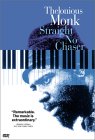
Plot: What’s it about?
The music of Thelonious Monk is well known and revered in jazz circles, as well as within the music community as a whole. In the realm of jazz, Monk was a legend and pioneer, as evidenced by the lasting influence his music has held over later musicians. This documentary tells a little about Monk and his private life, but is really a collection of live music and other clips of rare footage. Straight, No Chaser contains two sources of footage, as some comes from 1968 and the work of Michael and Christian Blackwood, who took reels of Monk at home and on stage. This footage was later found by producer Bruce Ricker, who was astonished and took the materials to a team of filmmakers. That footage was intermixed with new clips of interviews and such, which forms this documentary feature. The documentary is a real treat for jazz lovers and fans of Monk, but even newcomers can find some elements to take in.
I have to admit, I’ve never really listened to this music much, but I don’t dislike it. I suppose it just isn’t what I choose to listen to, but I can totally understand why so many people do, as Thelonious Monk is very skilled at what he does. This documentary looks at the music of course, but also the man behind it and that is where I found the most enjoyment here. I was taken in by the live performances and music, but the real heart of this documentary was the footage of Monk off the stage. The piece offers some insight into who Monk was and how he became so popular, but the main focus seems to be on the music, which is understandable. As I said, I am not a follower of Monk’s music, but I found this to be a well made and entertaining documentary all around. I do wish more was included on the man behind the music, but Straight, No Chaser is still a solid effort. Fans of Thelonious Monk and jazz music as a whole will be most interested, but even those unfamiliar with his work might like this one also.
Video: How does it look?
Thelonious Monk: Straight, No Chaser is presented in the original full frame aspect ratio. This documentary was made with footage from two different periods of time and it shows, but even the older clips look solid. When the image is black & white, the contrast seems balanced and true, but some wear signs are evident. No serious problems surface though, as the material still shines through, which is impressive when you consider its history. The more recent color footage looks better, but still shows some grain and harshness at times. But in the end, this is a very solid presentation that more than does this documentary justice.
Audio: How does it sound?
A mono track is used, which sounds solid and in a bit of a surprise, allows the music to come off pretty well. The music is the focus here of course and it sounds good, much better than you might expect from a mono offering, to be sure. The interviews and narration also come across well, no real errors to report with this one. You can also enable subtitles in English, Spanish, French, and Portuguese, if you need them.
Supplements: What are the extras?
This disc includes a talent file on Monk and the film’s theatrical trailer.