Plot: What’s it about?
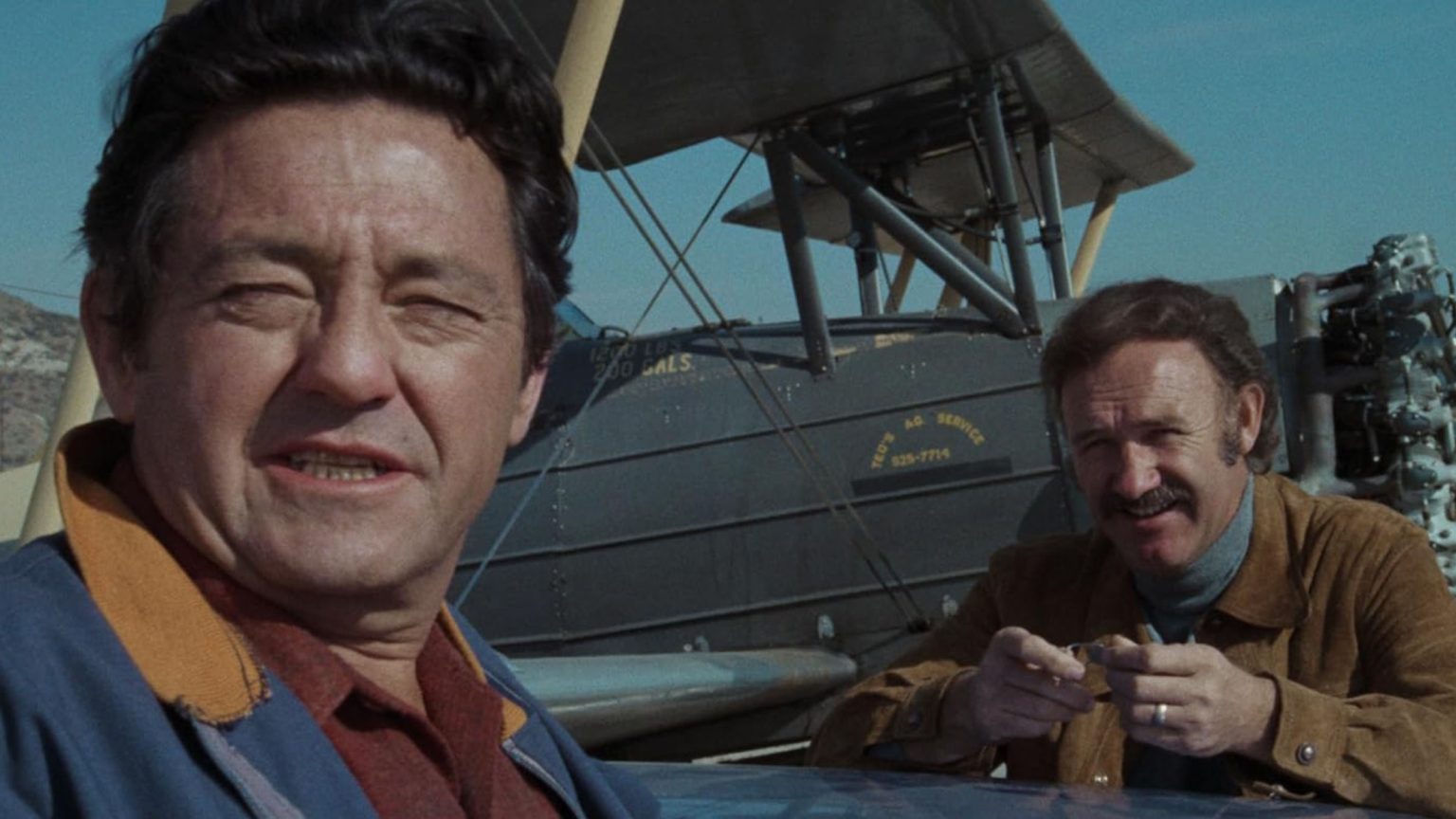
The story revolves around private investigator and former football player Harry Moseby (Gene Hackman.) At the beginning of the film, Harry gains a new client named Arlene Iverson (Janet Ward.) The client was a minor actress but now spends her time drinking and sleeping around. Arlene’s daughter Delilah (Melanie Griffith) has disappeared and Arlene wants her to be brought back home. Moseby charges her for his time and expenses and agrees to the case. On his way home, he catches his wife Ellen cheating on him. While his relationship with Ellen becomes complicated, he dives deeper into the case of the missing girl. The first lead he finds is a mechanic named Quentin (James Woods) that had slept with Delilah until she left him for a stunt man. From this bit of information Moseby embarks on tracking her down. Along the way he meets numerous interesting characters in both Hollywood and Florida.
Night Moves is a great off-beat private investigator film. I am a big fan of this genre and this is somewhere in between the looseness of Altman’s The Long Goodbye and the depth of Polanski’s Chinatown. I really liked how the film is shaped around a character that feels realistically flawed. Instead of a purely macho hero, Moseby is a man that has been cuckolded. A great example is that he never attacks the man that has slept with his wife, but confronts him in a manner that befits a man who prefers to have answers over vengeance. The 70’s was a great time for these type of films and this ranks amongst the best of that era. The film is very impressive.
As can be expected, Gene Hackman is great as Moseby. Hackman was a super obvious choice considering his excellent work in The Conversation and his previous work with Arthur Penn. Hackman fills the role and the movie is built around his performance. The supporting actors all do a great job, but most people will probably leave the film thinking about a young and care-free Melanie Griffith as Delilah. Arthur Penn had directed the classic Bonnie and Clyde, and still had a great eye for detail on this film. The cinematography by Bruce Surtees works well for the film in both Hollywood and Florida. I particularly liked the way that Surtees shot the moving driving shots when Moseby traveled. Those shots are super evocative and cool and look great forty years later. The composition by Michael Small is enjoyable and fits the era. This same composer did soundtracks for films like Klute and Marathon Man, so he helped define the era for that type of sound. The script from Alan Sharp is cool because it allows you to figure out some of the connections between the characters without spelling it out for you. Night Moves is one of the rare films I would like to see again to see how it fits together knowing more.
Video: How’s it look?
It’s easy to get spoiled by how good some modern-day films look. Then we see a film from the mid 70’s that looks…good, but when compared to a recent release, it’s akin to your eyes being out of focus. Don’t read anything into that. Criterion’s new 4K image is the best the film has ever looked on a home video format, but it’s still somewhat lacking. Though details are certainly improved, Warner Archive had a Blu-ray a few years back that didn’t look too shabby. The 1.85:1 HEVC 4K image also sports improved color, saturation as well as contrast. But it still looks a bit…dated. And that’s fine. It’d seem odd if this movie was the picture perfect epitome of what we’ve come to expect. I kind of dug the grain as it gives the film a more authentic look and feel. Just don’t expect the world.
Audio: How’s it sound?
The dual channel 2.0 audio from the Blu-ray has been replaced by a LPCM Mono track that’s a bit more faithful to the film’s original mix (one channel). Don’t knock mono. Some people love it. And, in truth, it’s hard to “mess” up a single channel audio track. Add to that Michael Small’s compositions that give the movie a unique character. Vocals are rock solid and sharp and while there aren’t any surround effects to speak of, I was more than amply impressed with the mono mix. You will be as well.
Supplements: What are the extras?
- Audio Commentary – Arthur Penn biographer Matthew Asprey Gear, author of Moseby Confidential, offers a deep dive into the film’s production. Some parallels are drawn to the political landscape of the 70’s and more. It’s a great track.
- Jennifer Warren – Warren, who played Paula in the film, reflects on her collaboration with Arthur Penn and her chemistry with Hackman.
- Cinema Showcase – Circa 1975 we get some footage from the film’s opening as is also profiles Penn’s creative process and his intentions behind the film’s tone.
- Arthur Penn: A Love Affair with Film – A segment, taken from a 1995 documentary (of the same name) is profiled here.
- The Day of the Director – The only feature found on Warner Archive’s disc has made the leap which is just a behind-the-scenes look at the making of the film.
- Theatrical Trailer
- Illustrated Booklet – Critic Mark Harris offers up an essay as well as the standard production photos.
The Bottom Line
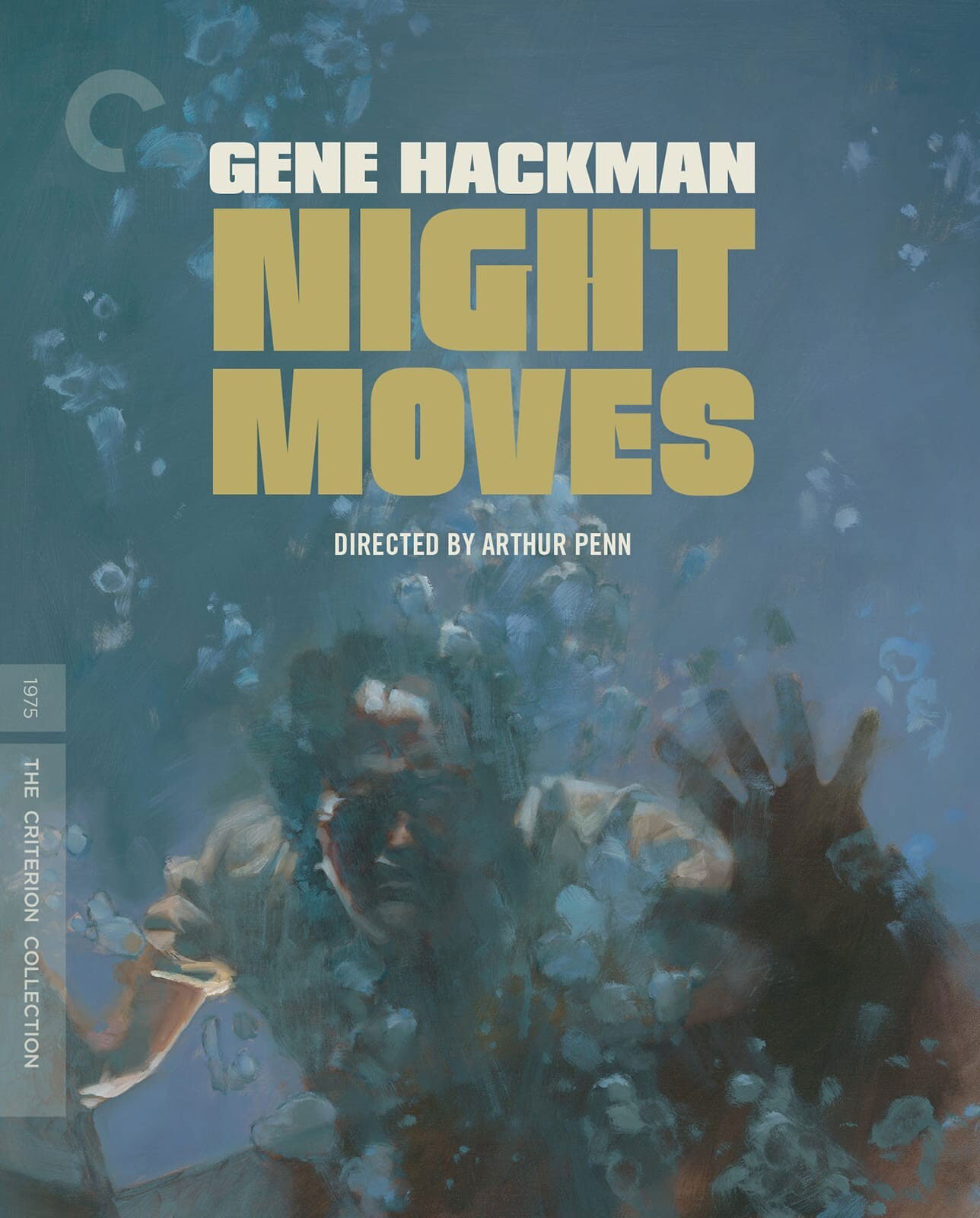
Gene Hackman’s career spanned five decades and he made a LOT of films. This one, I feel, is a tad bit overlooked. Couple that with a great script, Arthur Penn’s direction and Criterion’s new 4K image (as well as some new supplements) and you’ve got one worth picking up.