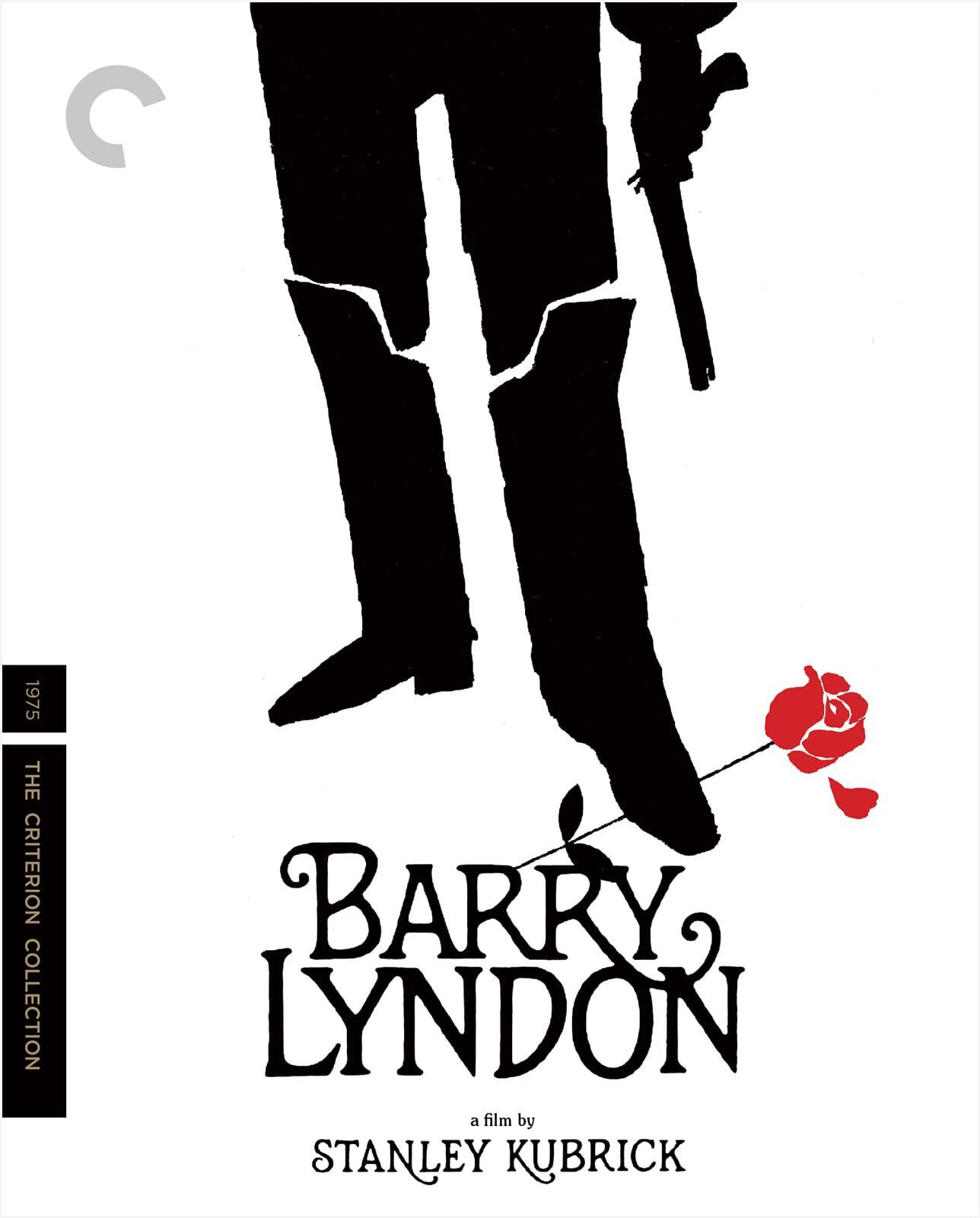
Plot: What’s it about?
“Sir, let those laugh who win.”
Barry Lyndon begins with the hero of the film’s father reaching an early demise in a duel. Irishman Redmond Barry (Ryan O’Neal) grows up fatherless on a farm following his father’s death. When he falls in love with his cousin Nora Brady due to her advances, Barry is thunderstruck to see that his cousin begins to entertain another man, British Captain John Quin. Filled with rage, Barry throws a glass of wine in John’s face and challenges him to a duel. John tries his best to bow out gracefully, but Barry refuses to back down. In the duel, Barry hits John with his shot and flees from his life there. On the outskirts of town he loses the money his mother had given him and his father’s sword to a couple clever thieves. Destitute and alone, Barry joins the British army as it goes to war against Prussia and France.
What is described above is just the first act, but I would not want to ruin the film’s second or third act. The rest of the film will involve his rise in society as he is attached to a wealthy widow but I do not want to ruin the circumstances in which any of this occurs.
I had held off on watching this film for years and years. I have purchased it on every format – VHS, DVD, standard Blu-ray, and now on Criterion Blu-ray. I was genuinely excited to sit down to watch the film because I knew I would finally mark it off of my small list of Kubrick films I have not seen. As I watched the film, I was struck by how Kubrick operated in comparison to any other director. Kubrick is in many respects the greatest filmmaker of all time and this fits into his repertoire well because of the techniques he uses on this film. First and foremost, Kubrick was a storyteller and the story of Redmond Barry’s rise and decline from the novel by Thackeray is very strong. The story is depressing overall, but the first half of the film has great moments of levity and humor. Kubrick knows how to mine those details to manipulate the audience into feeling different things as the film progresses.
The second thing that struck me from the film was the sense that the audience truly has traveled back to the Eighteenth century and there is no electric light to be found. Kubrick achieved this by using natural light for all of the exterior shots and candle light for all the interior shots along with some manipulative techniques to make unnatural light look completely natural. This would not be possible to film at the time if Kubrick had not performed the necessary tests on a lens that NASA had invented that captured light more quickly.
The third thing to notice about the film is the attention to detail from Kubrick. Kubrick used real locations as opposed to sets and based the look of the film off of art pieces from the time. The costumes were based off of paintings from the time or were truly made in the time of the film. The screen is constantly filled with the finest details that only a true genius could ever cobble together. This has a cumulative effect that can only be understood by viewing the film. These details transport the viewer.
Video: How’s it look?
The only reason to upgrade to this 4K version is, you guessed it, the true 4K image (as opposed to the Blu-ray which utilized a new 4K master). This film relies on various techniques that are hard to digitize: namely natural light and soft focus. Kubrick pioneered the use of a lens that could capture light more quickly which allowed him to light interiors with candles and use solely natural light throughout the film. The effect is tremendous with certain scenes feeling incredibly separate from the time we live in. This film is painstakingly put together by one of the absolute greatest filmmakers of all time with help of cinematographer and collaborator John Alcott. Visually it is stunning and it deserves the accolades that have been thrust upon it for its visual style.
Audio: How’s it sound?
We get two tracks for the film, an uncompressed mono as well as a DTS HD Master Audio 5. 1 mix. As can be expected, both tracks are extremely capable. The 5.1 track gives the film extra depth of field, but there is no noticeable use of the surrounds aside from the musical field which has been given a solid lift from the dialogue track underneath. I switched between the two tracks and both are good choices, but the 5.1 track wins out due to its attention to the incredible classical numbers from Handel, Mozart, Vivaldi, Schubert, and Bach for the film and they sound gorgeous.
Supplements: What are the extras?
- Making Barry Lyndon – A new piece by Criterion on the making of the film featuring interviews with numerous cast members, crew members, and excerpts from an audio interview with Stanley Kubrick. This is an excellent piece that delves into how Kubrick obsessively researched the time period, how he used a revolutionary lens to capture the antiquated lighting, how he based the costumes off of paintings, and many more facets of the film. Very interesting and enjoyable.
- Achieving Perfection – The Cinematography of Barry Lyndon – Douglas Milsome and gaffer Lou Borgue give interviews along with excerpts from a 1980 audio interview from John Alcott. An excellent piece with tons of great details of how it was out and the lenses used.
- Timing and Tension – A fascinating look at the editing practices that Kubrick used in the film with an interview from editor Tony Lawson.
- Drama in Detail – This piece on Ken Adam features historian Sir Christopher Frayling (Ken Adam: The Art of Production Design.) This is a great piece about the production designer behind Dr. Strangelove, Dr. No, and Barry Lyndon. Really interesting. Watch this one to the end because of a really great story at the end.
- Balancing Every Sound – Leon Vatali, actor in the film and personal assistant to Kubrick, discusses the original monaural audio mix and the 5.1 surround remix of the soundtrack made in 2000. I was glad to see the steps they had taken to preserve Kubrick’s vision when they expanded the sound field.
- On The Costumes – Archival interview with Ulla-Britt Söderlund from 1976 describing her work with Milena Canonero. Good stuff.
- Passion and Reason – Critic Michael Ciment (Kubrick: The Definitive Edition) discusses Barry Lyndon. Ciment knows his stuff and can wax eloquently about the great director.
- A Cinematic Canvas – Metropolitan Museum of Art assistant curator Adam Eaker discusses the art that inspired the visuals of Barry Lyndon. Pretty neat.
- Theatrical Trailers
The Bottom Line
Barry Lyndon is a rather interesting film and it’s a bit of a black sheep in the realm of Kubrick’s works. But it does stand apart as one of his finer films. Criterion’s 4K offering gives us everything we’ve had on the Blu-ray for years, but with a new 4K image that’s sure to please. Trust me folks, they wouldn’t mess this one up – and they didn’t.