Plot: What’s it about?
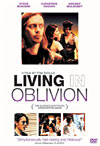
The world of movies produces some beautiful images, touching stories, and of course, entertainment. And while many folks think it is a world of glamour and glitz, its not all red carpets and black tie affairs. In order to make the magic of the movies, the world behind the cameras has to function and just as in any other field, trouble seems to lurk around every corner. And in the case of independent filmmaker Nick Reve (Steve Buscemi), the flow of trouble turns into a full on tidal wave of disastrous proportions. Reve is directing a small scale, very low budget production, one which he believes can be a meaningful picture. As he prepares to shoot the sixth scene, he finds himself in the middle of a total breakdown, as his production starts to cave in around him. His male lead, Chad Palomino (James LeGros) has an ego the size of Europe and if he isn’t criticizing Reve’s choices, he is trying to score with female crew members. The female lead, Nicole (Catherine Keener) is having a personal crisis, as he ponders whether her acting is worthwhile, while cinematographer Wolf (Dermot Mulroney) never lets the reels roll without putting in his opinion, which always differs from Reve’s vision. That’s just the start however, as Reve is surrounded by more and more mishaps, but can he salvage his vision from the wreckage?
I’ve seen countless movies made about how movies are made, but Living in Oblivion offers a priceless look inside the world of independent cinema. The movie itself was shot in sixteen days on a tight budget, so those involved were no strangers to indie cinema, especially writer & director Tom DiCillo. DiCillo has helmed such films as The Real Blonde, Double Whammy, and Box of Moonlight, all small scale productions. So he lends his personal insights, which add in a realistic, almost educational at times level of immersion. All the expected detours of a low budget production unfold, plus a number of fresh mishaps, ensuring ample chance for sharp comic material. And as honest and candid as the film is, it never stops there and makes sure the audience is entertained, even those who aren’t all that interested in the indie cinema atmosphere. I mean, just watching Steve Buscemi go through all this turmoil is worth the price of admission, as his performance is excellent and of course, he was the perfect choice for this role. DiCillo’s writing and direction is top notch also, as this is widely held as his finest motion picture. At the same time poignant, heartbreaking, and wildly hilarious, Living in Oblivion is one terrific movie, without question. And since Columbia’s disc is also a fine presentation, this one is highly recommended.
A true cult figure in modern cinema, Steve Buscemi has taken on countless small, often oddball roles in his career. He is kind of like the actor you never notice, but he has been that way for so long, in so many movies, he stands out like a sore thumb. That’s because he’s kind of like a Where’s Waldo actor, one you almost look for in movies, whether it be blockbusters or indie pictures, as he turns up so damn often. As I said, he is usually seen in small, but memorable roles that add a lot to the main features, as he is such a gifted worker. He can take a minor role and make it stand out, sometimes even more than his better known costars. Even with his cult fanbase and growing mainstream presence, he isn’t often given the chance to take on substantial roles. When he is offered larger roles however, he has proven he can hold his own and in Living in Oblivion, he is handed the keys and drives it all home. He is terrific in this movie and really nails the role, which is good, since he is the central character involved. Other films with Buscemi include Reservoir Dogs, The Big Lebowski, Ed and His Dead Mother, Fargo, and Ghost World. The cast also includes Catherine Keener (Simone, Out of Sight), Dermot Mulroney (Young Guns, The Trigger Effect), and Danielle von Zerneck (My Science Project, Acceptable Risk).
Video: How does it look?
Living in Oblivion is presented in 1.85:1 anamorphic widescreen. This presentation is more than solid, but the film’s low budget roots are evident. The movie uses a mixture of black & white scenes and color sequences, all of which looks good in this treatment. I found the color scenes to be crisp and acceptable, with natural hues and well balanced contrast levels. As far as the black & white scenes, they come off well too, thanks to superb black level performance. You’ll see some grain here and some debris & wear on the print used, but considering the film’s resources, I think this is a very good presentation.
Audio: How does it sound?
I had no problems with the audio here, but even though this movie was produced in 1995, only the basics are covered in this mix. But given the low key, realistic tone of the picture, I think this mono soundtrack is more than adequate. The focus here is clearly on the dialogue, so there’s no distractions or such here, which is good, I think. That way, we can focus on what’s important, instead of paying attention to the surround sound. All the elements come through well enough, with clean and clear presentations across the board. The music and sound effects might not be overly dynamic, but they sound solid and of course, dialogue remains smooth and consistent from start to finish here. And while Columbia is usually generous with the subtitle options, not even English subs have been included here.
Supplements: What are the extras?
The main supplement here is an audio commentary track, in which writer & director Tom DiCillo discusses the project. DiCillo traces the inspiration for the picture, its evolution, and the trials & tribulations of bringing that vision to the screen. He is candid and really reveals a lot of insight about low budget filmmaking, making this a worthwhile, even valuable session. This disc also includes a deleted scene, as well as a special interview with DiCillo and Buscemi, which is a great addition and shouldn’t be missed.