Plot: What’s it about?
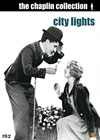
“City Lights†is not only recognized as one of Charlie Chaplin’s greatest movies (if not his best), but also as one of the greatest films of all-time. An epic romance story intertwined with humor and all of Chaplin’s trademarks; make this one for the ages. But first, a little history…The year was 1931, just a few years after “The Jazz Singer†and the world was obsessed with pictures that talked! The demand was for talking pictures and Hollywood was churning them out as fast as they could. Chaplin, already a well-established star, decided to keep the picture silent; it would be his last silent film. There was sound, but no spoken dialogue. As it turned out, that didn’t matter as “City Lights†went on to become a huge commercial success. Even today it’s hailed as one of the better movies ever to come along. For those unconversant of the silent cinema, there’s really only one place to start – Chaplin. Through the years he and his friendly “rivalâ€, Buster Keaton, released movie after movie and each, it seemed, was more entertaining than the next. Chaplin said he wanted to be remembered for “The Gold Rushâ€, but it was with “City Lights†that held the warmest spot in his heart. And why not? The movie shows a side of people and a depth of compassion that we don’t see, let alone practice, anymore. All this from a man who always played the part of a tramp.
The movie starts like so many other Chaplin films did, with a broad shot of a crowd. A new statue is being dedicated and it lurks under a sheet. It’s raised, only to find a tramp (Charlie Chaplin) sleeping in the lap of the statue. As he tries to scurry away, he is somewhat impaled by another part of the statue’s sword. The Star Spangled Banner plays and as he tries to get his footing to show respect, he keeps falling away. He then manages to be on his way when he encounters a woman selling flowers (Virginia Cherrill). Struck by her beauty, he buys a flower from her and lets her keep the change. Fascinated by her beauty, he learns that she is blind. In one of the movie’s funnier moments, he is observing her and she mistakenly throws a bucket of water over him. Later that night, still high on life, the tramp encounters a suicidal millionaire. Saving his life, the man takes in the tramp and the two drink, though much of it ends up in the tramp’s pants (better seen than told). Unable to drive the woman out of his mind, his passion takes control of him. He learns that she is behind on her rent and also hears news that a new surgery could cure her blindness. Taking odd jobs to raise money for her, we find the tramp picking up after animals in the street and even recruited to box for the hope of some easy money (in one of the movie’s more memorable scenes, the tramp manages to keep the referee between he and the opponent during most of the fight). After a tiresome effort, he manages to run into his millionaire friend again and, one way or the other, raises the money for the woman’s operation.
I hesitate to say any more, suffice it to say that the ending is one of the most profound in cinema history and is very moving. What sets “City Lights†apart from other silent films and other Chaplin films, is that it still manages to have the charisma and charm of a “Chaplin movie†without trying to take itself too seriously. I found that while watching this and others that Chaplin was indelibly ahead of his time. This isn’t my favorite film of Chaplin’s, however, I really loved “Modern Timesâ€. This is ironic as I figured of his most popular movies (and I say most popular and mean “City Lightsâ€, “The Gold Rushâ€, “Modern Times†and “The Great Dictatorâ€), I would like it the least. Chaplin was an artist and knew how to evoke an emotional response out of even the slightest gesture. Master of the delayed reaction, he knew how to make the audience laugh, cry and everything in between. With “City Lightsâ€, he showed the world that even without sound; love is still conveyed through actions both spoken and not.
Video: How does it look?
Like the other movies in the Chaplin Collections, “City Lights†has been given a major overhaul and the results are, well, astounding. Like many of the other discs from these sets (this one is also available individually), the 1.33:1 aspect ratio is maintained and looks great. There are very few spots where any blemishes or that odd “light to dark to light†effect happen. Blacks are on the level and a very clean-looking transfer is what we have here. Considering the movie is nearly seventy five years old, this looks outstanding. Mastered from a new digital transfer, I can only commend Warner on its efforts here and viewers will be more than pleased with the way this is presented on DVD. Additionally, this is a two-disc set and the movie itself is the only thing on the first disc, leaving bit rate plenty of room to fill as much of the disc as it wants; and it pays off.
Audio: How does it sound?
Though this was his last silent movie, “City Lights†does contain its share of sound. Namely a score and some sound effects (the parts where a gun goes off are particularly strong). There is a re-mastered 5.1 version of the score, but somehow it sounds odd while watching the movie. I’m going to go ahead and say that it’s almost distracting. This is certainly a movie where the actions speak louder than words (or, in this case, implied words) and to have the score, though catchy, blaring out all speakers rubbed me the wrong way. This isn’t to say that it doesn’t sound great, because it does; but for my personal listening pleasure, I listened to the original mix which also sounded just fine.
Supplements: What are the extras?
Extras, extras…they’re here. As if having a better-looking and sounding version of “City Lights†wasn’t enough, Warner has offered up yet another Two-Disc Special Edition. The movie is the only thing that occupies the first disc and the second houses the supplements. We first start off with an introduction by Chaplin Biographer David Robinson. He gives us a brief rundown of the movie and of Chaplin as well, telling of the troubled production (it took over a year to shoot) and some other details. The real meat of the extras is “Chaplin Today: City Lightsâ€, which is a 30 minute documentary by Serge Bromberg. Interviews with Peter Lord (Chicken Run, Wallace and Grommit) tell of the influence of Chaplin then and now and how the little tramp still has a long-reaching impact even today. There’s a seven minute outtake from the movie, though I hesitate to call it a “deleted sceneâ€. It shows Chaplin, in character, playing with the rail on a sewer on a crowded street. This proves that he could make most anything interesting and funny. A famous scene from “City Lights†is the boxing scene and we have a ten minute excerpt from “The Championâ€, filmed fifteen years earlier that looks strangely familiar to the match in the movie. “Shooting†shows us the scene in which the tramp and the flower girl first meet. We learn how the message was conveyed to her character of him being mistaken for being rich and how deliberate Chaplin was when he shot this, and other, scenes. Georgia Hale, star of “The Gold Rushâ€, had a screen test as she was considered to replace Virginia Cherrill (due to her inexperience in acting). Obviously this didn’t happen and it seems that it made no difference, the movie has done quite well as it was shot. A very short segment entitled “The Dream Prince†shows how the flower girl might have imagined the mysterious man who changed her life. This wasn’t used and good, as it wasn’t consistent with the rest of the film.
Another short segment is entitled “Rehersal†in which Chaplin stages one of the more elaborate scenes of the film. I don’t know how much value this adds, but like the rest of the material; it’s better to have than have not. Chaplin, an international star when this was made, was visited by then future Prime Minister Winston Churchill. Interesting to see two icons of such fame and power; but here they are! “Chaplin Speaks!†is a somewhat misleading title, though supposedly we get Charlie Chaplin actually “speaking†on film for the first time. It would be until “Modern Times†until we heard him speak (sing, rather) in character, though. Some ten minutes of footage was shot when Charlie and Sydney Chaplin visited Bali in 1932. This is probably the biggest filler on the disc, but again – better to have it than not to. I’m sure fans will eat all of this up. An extensive photo gallery is included as is the original theatrical trailer. Trailers for all of the Chaplin Collection Volume 2 and posters for “City Lights†are included as well. One of Chaplin’s best is now looking and sounding better than ever before…even if you have to box to get the money to buy it, do so!