Plot: What’s it about?
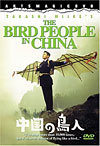
A young Japanese businessman has been dispatched to an isolated village in a Chinese mountain range. He isn’t much on adventure, but he has to do his job and in this case, his job is to venture into the mountains. His assignment is to look into a vein of jade that runs through the small village, to see how pure the element is there. This is because his company might mine in the area, but only if the payoff is worth the investment. So the businessman hits the road and while he is out of his element, he pushes ahead. Once he is in China, he meets with his guide, an unusual man, but one who seems to know the land. But the two will not be alone, as a yakuza is about to join them, with an agenda of his own. The businessman’s boss has landed in some trouble with organized crime, which is why the yakuza is present. He is to make sure the jade is pure also, so that his bosses can take a cut of the profits, to pay off the debts. As the three travel to the village, personalities clash and all manner of mishaps unfold. They wind up having to travel on foot, without their clothes, and the sole break is when they stumble upon some mysterious mushrooms. After an extensive journey, the trio finally arrive in the village. As it turns out, the village is beautiful and serene, an isolated paradise that no one could resist. What mystical secrets does this village contain and will either of the outsiders ever want to leave?
Takashi Miike (Audition, Ichi the Killer) has exploded on the world cinema scene and carved out a reputation as fearless, with a penchance for graphic sex and violence. But if you think visceral shock is all Miike can accomplish, then you need to think again, as his skills run far beyond his better known shockers. A perfect example is The Bird People of Chinea, a gorgeous film in which Miike flexes his creative muscles and conjures up a stunning, sometimes even poetic motion picture. So if you’re only interested in Miike’s blood soaked side, then you’ll be let down here, but if you’re into pure quality cinema, then stay tuned. Yes, Miike does inject his offbeat humor into some scenes, but he keeps the focus on characters and storyline, with some incredible visuals that never fail to keep us captivated. The visuals help richen a somewhat simple premise, but the development of the characters more than compensates. In truth, a gifted filmmaker can take the simplest of tales and make them work, so don’t let the simple statement mislead you. The first half or so is centered on two men from different backgrounds who must rely on each other through tough times, while the second half opens up all kinds of new doorways. The dialogue is well crafted, while Miike’s direction supplies a visual edge that never disappoints. This is not typical Miike fare, but The Bird People in China is excellent and as such, highly recommended.
Video: How does it look?
The Bird People in China is presented in 1.85:1 anamorphic widescreen. I’ve seen an import tape on this film, but that version looked atrocious, though Artsmagic has issued a wonderful visual effort here. The print used is in perfect condition, with no grain, debris, or marks to be seen, a stunning start, to be sure. Then we have the streaming colors, which look as vibrant as possible, from the pastels to the deeper shades. Some scenes call for more vivid hues than others, but they look as intended. Just as impressive is the contrast, which supplies well balanced black levels and accurate detail throughout. This is simply a stunning transfer and of course, fans will be nothing short of thrilled with this treatment.
Audio: How does it sound?
The original Japanese soundtrack is preserved in a Dolby Digital 5.1 option, but don’t expect a dynamic, reference level experience here. I found the audio to be acceptable in all respects, but it never moves beyond that and in a movie like this, you want to have superior audio presence. The tension could have been enhanced in that way, but even as it is, this is an atmospheric, so I suppose we shouldn’t shout too much. In addition, the audio perks up in some sequences and since no real problems arise, I doubt anyone will be too let down. On the plus side, the dialogue is clean and well balanced throughout. This disc also includes optional English subtitles.
Supplements: What are the extras?
The main goodies here are an audio commentary with Tom Mes, as well as an interview with Takashi Miike. As usual, Mes provides an in depth and interesting session, though if you’ve heard his previous Miike cinema tracks, then you’ve heard a lot of this before. This disc also includes some talent files, promotional materials, and the film’s original trailer.