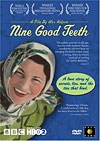
Plot: What’s it about?
When Mary Mirabito Livornese Cavaliere was a young girl, a gypsy told her that she would live to be ninety-six years old. Mary, better known as Nana would in fact live to that ripe old age, but that wouldn’t mark the end, not even close. Nana saw the turn of one century, the entire duration of another, then once again, a new century arrive, all in one lifetime. In Nine Good Teeth, Nana’s grandson Alex Halpern follows her as she nears her ninety-sixth birthday, then continues once that day has passed. The story of her incredible life is told through the memories of Nana herself, friends, and family members. Nana’s life wasn’t one of regret, instead she lived each moment to the fullest and experienced all that life could offer. That included hidden romances, brushes with famous people, darker moments, and the love of her family and friends. Although she outlived numerous friends and family members, losses that shook her life to the core, she persevered and moved on, only stronger for the bond that remained with those people. As Nana talks about her life, she holds back nothing and even if her comments rile up family troubles, she doesn’t hesitate in the least. After all she has seen and been though, she isn’t about to become quiet at this point. An honest, no holds barred look into one woman’s life journey, Nine Good Teeth is not to be missed.
A documentary needs a strong subject in order to succeed and in this case, the filmmakers have a strong one and then some. Nine Good Teeth is not a movie about flash and style, like a lot of recent documentaries, instead the focus is on character and depth. The woman in this picture, Mary Mirabito Livornese Cavaliere, also known as Nana, is even more incredible than the characters spun in fictional films, because her stories are as interesting and they’re real life experiences. When you live through three centuries and have over a hundred years under your belt, you’re bound to have some stories. But Nana has more stories and better ones than most people who lived during her lifetime, as evidenced in this motion picture. Nana is a credit to her age, with a quick wit and sharp memory at her disposal. As expected, much time is spent on her family, including how she dealt with living on while numerous relatives and loved ones passed on. She also has stories of love, sex, and crime, with no concern of keeping these affairs private. This kind of film, one fueled by a single person’s memories, can divide an audience in an instant. While her stories do spark interest, mere words don’t do these events justice and with no visuals, some viewers will feel distant. And I’ve read reviews where people said if they wanted to hear old people complain, they’d visit a nursing home. Nine Good Teeth is a solid effort, though the target audience is small, a very specific section of viewers. If you like personal documentaries however, then Nine Good Teeth is well recommended.
Video: How does it look?
Nine Good Teeth is presented in full frame, as intended. This is as good as we could want, given the mixed selection of sources used. The home movies don’t hold up well, but they’re old and someone’s home movies, so we can’t expect perfection. The interviews look terrific however, as crisp and refined as possible, for this kind of low budget production. The polish of a standard feature film is absent, but we don’t need that in this case, so no need for concern. There isn’t much else that needs to be said here, the movie looks as good as the material allows, which is all we can ask.
Audio: How does it sound?
This movie is all talk, so the included stereo option is more than effective. This is all interviews, aside from a small amount of home movies, which means there is no real dynamic potential. That is fine however, as this kind of material doesn’t need audio dynamite, just the basics. The interviews have a clean, crisp sound and present no flaws of any kind. And since the movie is almost all interviews, that means the audio performs well throughout and leaves no cause for concern. A quick critique, I know, but in this case, as long as the dialogue sounds good, the entire movie sounds good.
Supplements: What are the extras?
An audio commentary track is up first, with director Alex Halpern, composer Teese Gohl, editor Angelo Carrao, and Halpern’s mother Maria all involved. I have to wonder why the volume of the feature remains so loud, even when this alternate audio option is enabled. The participants seem to have some good information, but with the volume so high, it can be hard to hear all the remarks. A more than welcome addition, but the technical execution almost ruins this supplement. This disc also includes some deleted scenes, a selection of Nana’s favorite remarks, and the film’s trailer.