Plot: What’s it about?
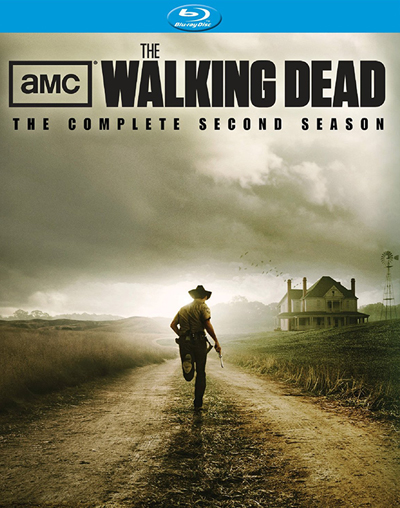
On Oct. 31, 2010 I sat down and was channel surfing. My eldest step son mentioned that a show was premiering called The Walking Dead and that we should watch it. Hey, what’s not to like about zombies, right? As it turned out, the show was exciting, moved at a snail’s pace (that’s a good thing) and had very interesting character development. And, as time has shown us, the first season of The Walking Dead was one of the most critically-acclaimed in recent history, becoming the highest-watched television show that the AMC channel has ever seen. However, that first “season” was only composed of half a dozen episodes, so it still remained to be seen if the show had the legs (pardon the pun) to really make it. And so, a year later, the second season debuted and literally picked up where the first season had left us hanging. Now for those of you that haven’t seen the first season, stop right here. Don’t read any further. For those of you that have, let’s see what those undead, limping bags of flesh were up to.
Most of our heroes are still intact and I won’t name names as to who survived and who didn’t. But they’ve managed to escape from Atlanta and are now slowly but surely heading…somewhere. We’re treated to a series of sequences that are downright disturbing: cars abandoned, highways jammed with still cars and the occasional zombie out for some blood (brains). Eventually our crew makes way to a farm where another group of survivors have managed to fend off the undead. It’s the meeting of these two “klans” if you will, that gives us the lion’s share of the plot of this second season. Led by Sheriff Rick Grimes (Andrew Lincoln) and company, this second season isn’t as much “action” as the first season. Yes, we all know what zombies do and, truthfully if handled in the wrong way, they can be somewhat boring. The sophomore season delves into more of the human aspect of things and shows us the relationships among the living. So while there aren’t as many “shoot ‘em up” sequences as the first season, this is more of an intellectual way of telling a zombie story. No matter why you tune in, it’s evident that the series hasn’t lost any momentum and with season three on the horizon, we’re all waiting to see what’s next.
Video: How does it look?
I watched the season as it aired on AMC and viewed it in HD. The 1.78:1 AVC HD image essentially mirrors that of the broadcast, but looked a bit better on Blu-ray. The majority of this season takes place outdoors on a farm which gives way to a lot of natural tones and light. Detail takes front and center here and you can really tell how vivid the image is when seeing the zombies. The bones, the blood, teeth and everything about them is so clear that you feel like you could reach out and touch them (don’t though, you’ll risk being turned into a zombie yourself)! Black levels and contrast seem a bit cranked up, though I sight the filmmakers as opposed to any fault of the transfer. All in all, this is more of what the first season delivered and this is one fine-looking transfer.
Audio: How does it sound?
As subdued as some of the episodes are, The Walking Dead excels on the audio front. Presented in a Dolby TrueHD 7.1 mix, there are so many little nuances that eminate from the speakers you feel like you’re out in the field with them! Dialogue is at the heart of the soundtrack, of course, and it’s not compromised in the least. Vocals are rich and strong, surrounds are used often and with excellent results. There are a number of gunshots, fights and everything in between that make this a very engaging soundtrack and one that’ll probably be a little underrated at first. As good as the video looks, the audio is just as strong.
Supplements: What are the extras?
There are studios out there that seem to embrace the capability of Blu-ray and others that try and see how many times they can sell the public the same thing again and again. Granted, the first season of The Walking Dead was re-released in a more robust “Special Edition” format, but to their credit, the original series was somewhat lacking in supplements. Anchor Bay seems determined to get this right the first time as this set is literally loaded with so much bonus content, I’m cracking my fingers to loosen them up. Let’s get started, shall we? Five of the episodes contain an audio commentary: “What Lies Ahead”, “Pretty Much Dead Already”, “Nebraska”, “Judge, Jury, Executioner” and “Beside the Dying Fire” with a bevy of cast and crew included in each one. These are informative and insightful and if these were the only supplement, I’d be a happy man. But we’re just getting started. We’re then greeted with 11 featurettes, all of which run around the five minute mark. “All the Guts Inside” is a look at the creation of a zombie scene in which “it” gets its stomach ripped into. “Live or Let Die” shows us the cast as they discuss the difference between the graphic novel and the television show. “The Meat of the Music” is a look at the score for the series and the use of both sound and silence to enhance the mood therein. “Fire on Set” shows us the use of the set (the farm) and what happens on the season finale. “The Ink is Alive” is kind of “Live and Let Die” as the crew discuss the differences between the graphic novel and the television series. “The Sound of the Effects” shows the use of surround effects and sound and how it enriches the show. “In the Dead Water” shows us the “well zombie” sequence. “You Could Make a Killing” features producer Gret Nicotero in his many roles in the show. “She Will Fight” gives us a look at the Andrea character and her personal story arc. “The Cast on Season 2” is a more generalized view as told by the cast and what to expect in this sophomore season. Finally “Extras Wardrobe” has costume designer Eulyn Womble as she discusses dressing the cast (in the background). We also get six webisodes that were featured on the internet as well as nearly 30 minutes of deleted scenes. Other than that, though, there’s nothing!