Plot: What’s it about?
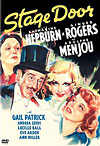
If a woman thinks she can be a force in the world of stage productions, but doesn’t have the money or the connections to do so, then The Footlights Club is like pure heaven. The club offers the performers a chance to shine, or least attempt to, without expenses. That is crucial, as most of the women who take the stage at The Footlights Club have little to no resources. For example, a young woman from Seattle named Judy (Lucille Ball) often dates men she isn’t interested in just for the meals. After all, a little time with someone oafish is bad, but not as bad as going hungry, right? The crowd of workers includes fresh faces, one hit wonders, and in some cases, girls who have been discovered. Yes, sometimes a woman labors in the club and her efforts pay off, like in the case of Linda (Gail Patrick), who is soon to be a star. The newest on scene is Terry (Katharine Hepburn), who quickly becomes the apple of the club’s eye. But when her presence threatens to hold back the others, what will become of this group of strong willed women?
This film was nominated for four Oscars, including Best Picture and boasts an impressive cast, but does Stage Door deserve all the acclaim? As it turns out, the film deserves all that praise and more, as Stage Door is one of the best ensemble comedies from the 30s. You couldn’t ask for a better ensemble either, with stars such as Lucille Ball, Katharine Hepburn, Ginger Rogers, Eve Arden, and Ann Miller, plus more than a few other faces you’re sure to recognize. Take that cast, throw in some excellent comedic material with just enough melodrama, and you have an enjoyable motion picture. I don’t want to mislead about the melodrama, as hints are evident, but the performances remain realistic, so Stage Door isn’t over the top. That sense of realism lets us connect a little more with the characters, which adds a lot to the experience. The dialogue is incredible also, with a constant flow of well crafted lines that never slows down in the least. Warner’s disc is rather basic, but the movie is so damn good, fans won’t be able to resist. But down the road, let’s hope Warner revisits Stage Door with the two disc Special Edition the film deserves.
Video: How does it look?
Stage Door is presented in full frame, as intended. As you’d expect from a film released in 1937, the materials have been worn by time to an extent, but I think the print still looks more than solid. You’ll see some light nicks and marks, but aside from a few isolated incidents, the print is free from any serious defects. Even grain proves to be a non issue here and of course, that means we have a cleaner, sharper image than expected. The contrast holds up well also, rendering the black levels in well balanced, refined fashion. The few serious, but infrequent print defects cause me to lower the score, but rest assured, this is a fine overall presentation, given the age of the materials.
Audio: How does it sound?
This disc uses the original mono track, but don’t worry as this film never calls for any type of power based audio. As such, the front channels handle it all and never falter in the least. I found no age related issues with the music, as it was always clear and crisp. The sound effects are mostly natural, more subtle noises, so no surround use is missed in the least with this one. The dialogue is the main audio focus and it comes through well, no clarity issues at all. This disc also includes subtitles in English, Spanish, and French, just in case you might need those at some point.
Supplements: What are the extras?
This disc includes the musical short Ups and Downs, the radio production of Stage Door, and the film’s theatrical trailer. The radio production stars Ginger Rogers and Rosalind Russell and as always, these radio productions are a most welcome inclusion.