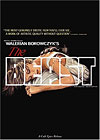
Plot: What’s it about?
A dark presence looms just outside of a peaceful estate, an estate where a rich, aristocratic family resides. The members of the family inside are thought to be dignified & refined, but within the woods around the estate, this is where a darker force lurks. This hideous creature stalks through the trees, looking for women of any age, any type to assault. The beast is short, covered with hair, and vicious, especially when it comes to sexual encounters. It pounces any female within its grasp, using his massive phallus to violate the women. Whether the ladies are willing or not, the beast overpowers and overtakes them, simply to quell his primal urges. But this creature never gets satisfied and always looks for another round, even with one of the estate’s nobles. The girl has numerous encounters with the beast, always sexual and for her, very enlightening and as she searches herself, she is able to discover some things via these encounters. As time passes, a young American heiress returns to the estate some two hundred years later and is visited by this same beast, but this time, it stalks through dreams…
This unusual tale of animal love started out as part of director Walerian Borowczky’s Immoral Tales feature, but was soon dropped due to the subject matter. But as Borowczky wasn’t one to shy away from controversial material, he soon returned to his ideas and extended them into this feature length version, The Beast. I have to think that was the right approach, as this kind of take on the classic Beauty & Beast tale needs the extra space, without a doubt. If Borowczky would have crammed this into a short segment, it would have lost some of the depth and perhaps the artistic value, which would have been terrible indeed. I know some will disavow the artistic merits within The Beast, but I feel they are very evident throughout. The art is often mixed with nudity, sexual themes, and unusual moments, but it is there and perhaps because of these other elements, the mainstream refuses to see the artistic touches involved. This film will never reach the mainstream nor was it intended to, but it has a place in cinematic history, I think. This new three disc limited edition (10,000 numbered copies) is a rare treat, a complete package that should thrill fans and be a focal point in cult cinema collections.
As I mentioned above, this was supposed to be just one segment of another film, but I think Walerian Borowczky was smart to separate the tale. With more screen time to work with and probably more resources, the film is delivered as he intended, with a lot of artistic flair and of course, tons of nakedness and sex. You have to hand it to him for taking such a risk, as a movie with a beast molesting young women could have been a mistake, especially when Borowczky tried to justify his film as art, not pornography. It is good to see people step out of the lines and take risks like that though, without a doubt. His ideas and approach won’t appeal to everyone, but then again, I’m sure he was more than aware of that from the start. Other films by Borowczky include Queen of the Night, Immoral Women, Behind Convent Walls, Emmanuelle ’77, Goto: Island of Love, Story of a Sin, and Immoral Tales.
Video: How does it look?
The Beast is presented in 1.85:1 anamorphic widescreen. The previous release looked more than decent, but Cult Epics hasn’t rested on those laurels. Instead, we have a brand new anamorphic widescreen treatment that trumps the earlier transfer in all respects. The print seems to be the same one used before, but the image is more detailed and crisper this time around. As this film has never been crisp or sharp, that is excellent news, especially since the visuals come off in such impressive fashion here. The image is still soft to an extent, but that is intentional and part of the visual design, so no harm in that regard. The contrast is stable and consistent, while colors have a soft, but rich texture, as intended. This is a superb visual treatment, one I never expected to see, so Cult Epics deserves some serious credit on this release.
Audio: How does it sound?
You can choose between French and English soundtracks on the director’s cut, while the complete version offers French as the lone option. The audio is basic and dated, but serves the needs of the material, which is what counts. As expected, the elements have been worn a tad by time, but not much as you might think. You’ll hear crackles, thin dialogue, and even some hiss, but for what it is, the material sounds more than acceptable. In case you need to brush up on your French, both versions offer optional English subtitles.
Supplements: What are the extras?
The first disc houses the director’s cut of the film, plus some still photos and the film’s theatrical trailer. The third disc has some lobby cards and the rare complete version of the film, but the second disc is where the bulk of the supplements reside. In addition to more still photos and a talent file on the director, you’ll find almost two hours of insightful content. An extensive interview is new and created for this specific release, while a more vintage behind the scenes piece offers a look inside the production itself. This is not as loaded as some releases, but given the material and profile of the film involved, fans should be impressed.