Plot: What’s it about?
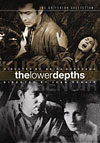
A great number of filmmakers have taken on the same material as others, this is almost impossible to avoid. Unless a director writes all of their own material, the chances of selecting a work that no one else has or will also cover are almost astronomical. And if an acclaimed film is remade, that doesn’t mean the result will repeat, as often times filmmakers will revisit a classic, only to find they’ve produced a lackluster remake. Or an exact carbon copy of someone else’s work, instead of their personal vision of the selected material. But if the right directors are involved, a great work can produce several different, but effective cinematic visions. Such is the case with The Lower Depths, Maxim Gorky’s famous creation. In 1936, Jean Renoir was involved with a film production of the story, one that was approved by Gorky himself. Then in 1957, cinema legend Akira Kurosawa completed his own take on Gorky’s classic work. These two men were some of the best the business would ever see, which is why both film versions of The Lower Depths are so impressive. The source might be the same, but each director ran with the material in a different direction, with a unique focus and of course, their own special screen style. In this special release from Criterion, we can compare and contrast these wonderful visions of The Lower Depths.
We’ve seen more remakes of late than anyone can stand, but most are mediocre and aren’t even worth a look. So imagine the burden involved if you tried to remake a film by Jean Renoir, a task that has to involve a massive amount of pressure. If you’re Akira Kurosawa however, the stress is a bit reduced, but how did his vision compare to Renoir’s? In truth, the two men take the same material and head in opposite directions, so don’t expect a scene for scene remake, more of an alternate take on the same material. Renoir directs a more active version of the story, but also a more focused one, in which he explores the atmosphere. So a bit more attention is paid to how the characters do what they do, as opposed to who these people are. Renoir opts to hone in on the two main characters and give them immense depth, though other characters are rendered minor in comparison. Kurosawa chooses to involve more characters and focus on them as people, but unlike Renoir, he confines the material to a single location. Even if pressed, I couldn’t tell you which was a better approach, but I happen to prefer Kurosawa’s overall picture. Renoir’s take is a pleasure to watch however, so this double feature is an excellent release. This edition houses both versions and some supplements, so The Lower Depths is well recommended.
Video: How does it look?
The Lower Depths is presented in full frame, as intended. As usual, Criterion has spiffed up the prints with digital restoration, which removed countless instances of debris, marks, and other defects. Renoir’s 1936 version looks solid, but the age of the material is evident at times, though that is unavoidable. You’ll see heavier grain in some sequences, more print damage in others, but on the whole, the movie looks quite good here. In most scenes, the visuals are very clean and crisp, while contrast is superb throughout. Kurosawa’s version benefits from being a more recent production, so debris and softness are decreased. The visuals still show some signs of age, but not as much as I had expected. So while both movies have some flaws thanks to age related woes, I also think both movies look terrific in this presentation.
Audio: How does it sound?
The original language tracks have been preserved here, via restored mono options that don’t dazzle, but are more than solid. You’ll hear some age related flaws, such as thin dialogue and general pops and hiss, but given the age of the material, I have no serious complaints. I noticed a sizable improvement in the case of Kurosawa’s picture, as the other home video edition I’ve owned had a soft, worn soundtrack. But in this release, the film has a cleaner and more enjoyable presence, while Renoir’s version is almost as impressive. These are still older mono soundtracks, so don’t expect the world, but all in all, both are solid treatments. In case you don’t speak French or Japanese, newly tweaked English subtitles have been included.
Supplements: What are the extras?
The lone supplement on the 1936 version is an introduction by director Jean Renoir, but the Kurosawa rendition houses a more robust selection. A half hour documentary has a lot of interviews with cast and crew members, including Kurosawa himself. This is an in depth look at the production, from the low moments to the triumphs. The interviews are insightful and candid, a far cry from the usual promotional fluff. An audio commentary is next, as Japanese cinema expert Donald Richie provides insight of the production. He discusses Kurosawa of course, but spends time on the cast and crew as well, so this is a broad session. This release also includes still photos and talent files for the Kurosawa production.