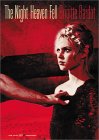
Plot: What’s it about?
Ursula (Brigitte Bardot) has just been released from a convent, but her future is not pure by design, not by any means. She heads off to her Aunt and Uncle’s rural home to remain for a while, but soon becomes sucked into a complex scheme. It seems her Uncle has not been too good of a man and soon enough, he is killed by a local man, Lamberto (Stephen Boyd). As it turns out, Lamberto is the local stud and after he dispatches the Uncle, he decides to have his way with the Aunt, who has been deprived of such affections. There is a bond between Ursula and Lamberto also however, so once all the events have been set into motion, the two head to the hills to lay low, as well as explore their inner feelings and such. But this by no means the end of their story, as things continue to spiral out of control and in the end, who knows what will become of these lovers in the grand scheme. Has Ursula found her true love and if so, will she manage to keep him in her life?
This seductive thriller has a lot to offer, from lush visuals to a solid storyline to of course, the presence of Brigitte Bardot. Under the direction of Roger Vadim (…And God Created Woman), Bardot is in top form here and knows just what the audiences wants, from her and from the movie as a whole. But Bardot isn’t the sole eye candy in The Night Heaven Fell, as the gorgeous Cinemascope photography is simply beautiful, even breathtaking at times. Vadim and cinematographer Armand Thirard create some wonderful compositions here and in truth, the visuals are enough to warrant a recommendation, I think. So even when the writing slips here and there, the visuals (both Bardot and the scenic shots) prove to be enough to keep the film afloat, without a doubt. And this is needed often, as the premise is a good one, but the dialogue is weak at times and it never really settles into a nice groove. Even so, the movie still boasts a lot of artistic and historical value, especially to fans of Cinemascope and Bardot, as both of those elements are showcased to the full extent. I recommend this release to all those interested, but remember that when the writing gets a little loose, just soak in all the stunning visuals, you’ll be glad you did.
You can question her skills as a traditional actress, but you cannot question her screen presence, as Brigitte Bardot knew how to please an audience. Yes, she was known for lowering the clothes at times, but even dressed, Bardot could command her viewers, thanks to her beauty and charisma. I’ve never been too critical of her work due to this, as she usually remains within her limits, but sometimes reaches out to flex her artistic muscle. Some of those attempts were failures, but I think Bardot succeeds here, as she gives a very impressive performance, at least when compared to some of her other works. In any case, she turns in a more than solid performance and looks entrancing, which is enough for this reviewer’s stamp of approval. You can also see Bardot in such films as Plucking the Daisy, Don Juan (or if Don Juan Were a Woman), Spirits of the Dead, Please Not Now, and Come Dance With Me. The director here is Roger Vadim, who also helmed such pictures as Pretty Maids All In A Row, Love on a Pillow, Blood and Roses, Circle of Love, …And God Created Woman, and Game of Seduction.
Video: How does it look?
The Night Heaven Fell is presented in a 2.35:1 anamorphic widescreen transfer. This film was made in 1958 and it shows some signs of age, but on the whole, I found this to be a more than solid visual presentation. The print has some nicks here and there, but nothing too serious, given the age and nature of the flick. The image is a shade soft at times, but this could be due to the methods used, so I won’t complain too much. The colors are bold and remain true, while black levels seem sharp and always on the mark. This is not a flawless effort, but it looks terrific and as such, I doubt anyone will let down with the results.
Audio: How does it sound?
The film’s original French soundtrack is used here via a mono option, which seems to be more than adequate. The dialogue here is very clean and sharp, much clearer and more powerful than expected, which was great news, of course. The musical score is quite good also and sounds wonderful here, while sound effects are minimal, but sound as good as possible, given the limits of mono and such. This is one of the better mono tracks from this time I’ve heard, so kudos to Home Vision. You can also enable English subtitles if you need to, but they’re optional and if you ask me, that how it should be.
Supplements: What are the extras?
This disc includes a talent file on Bardot, as well as the film’s theatrical trailer.