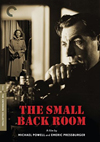
Plot: What’s it about?
Sammy Rice (David Farrar) works as part of a team of scientists for the British government, tasked with research assignments to help the Allied forces win World War II. The pressure is intense, as few outside of the group understand the work being done, not even the officials who depend on the output. So when the tension mounts, the higher ups put immense pressure on the scientists for results, which doesn’t help matters. Rice is involved in weapons research, trying to design better and more powerful tools of destruction, while also devising ways to neutralize the opposing side’s weapons. All the while, he battles intense personal pain, both physical and emotional. His pain pushes him toward alcohol, while his emotions push him into a relationship, but can Rice ever find any kind of true relief in his life?
The Small Back Room isn’t as well known as Powell & Pressburger’s marquee pictures, but it deserves a higher profile, as it is a terrific movie. The film is dark to be sure and not often pleasant, but I was fascinated and couldn’t shift my attention once the movie began. The focus is on the main character and his battles with various demons, alcohol and pain in specific. While the battles are indeed brutal at times, at least we’re here for the uphill climb toward redemption, as opposed to the downward spiral. Even so, the tone is dark and while the light at the end of the tunnel is there, it isn’t always that bright. The Small Back Room has some moments that will remain with you, especially a bomb defusing sequence that is intense and draws as much suspense as possible, then even more. In the end, this is a very well crafted movie that deserves more attention than it has gotten, so hopefully this release from Criterion will renew interest in The Small Back Room.
Video: How does it look?
The Small Back Room is presented in full frame, as intended. This isn’t one of the best Criterion treatments I’ve seen, but it looks great and rarely disappoints. The transfer starts off rough, with some not so minor issues, but the visuals clear up quickly and remain strong to the end. You’ll still see some light debris at times and a few scratches, but overall, the print looks fine. The contrast holds up well also, so the black & white visuals have a smooth, consistent presence. Not a standout for Criterion, but an above average treatment that should please fans.
Audio: How does it sound?
The original mono track was used for this disc and while mono is limited in range, this material doesn’t need much in terms of audio power or impact. The music sounds clear and free from distortion, which is impressive for a movie of this age (1949). No traces of problems with dialogue either, as the vocals sound natural and very crisp at all times. Not a memorable soundtrack, but a more than solid one. This disc also includes optional English subtitles.
Supplements: What are the extras?
An audio commentary is up first, as film historian Charles Barr shares his insights. He is well researched and well prepared, which leads to a talkative, informative session. I was going to just sample the track, but with so few dropouts and so much insight, I finished the entire session. This disc also includes an informative interview with cinematographer Chris Challis and extensive audio dictations by Michael Powell for his autobiography.