Plot: What’s it about?
In the town of Itakura, the blind swordsman Zatoichi (Shintaro Katsu) takes a moment to pay his respects to a fallen opponent. He visits the grave of Kichizo, a man who Zatoichi killed in battle two years before. At the same time, the local villagers have prepared the funds for their taxes, which are to be sent in soon. The people have suffered through years of famine and other hardships, but now have the needed resources for the taxes. So when the chest is stolen on its way to the governor, the locals are stunned. As there is no way they can get additional funds, they look to find those responsible and deal out punishment. The blame is placed on Zatoichi, as well as a samurai named Boss Chuji, whom Zatoichi respects. Of course, Zatoichi is innocent of the charges and as such, he sets out to clear not only his name, but Chuji’s as well. So a search begins for the taxes and also the real thieves, but it takes Zatoichi places he didn’t expect, places where loyalty and honesty are quite rare. As he closes in on the truth, he encounters corruption and dangers of all kinds, including some of Chuji’s men, immoral government officials, and the sisters of Kichizo, so he more than has his hands full. In the midst of all this, can Zatoichi recover the stolen taxes, restore his good name, and return Itakura to a state of peace?
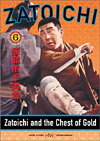
The legendary blind swordsman is back, as Home Vision releases the sixth film in the Zatoichi series. This time around, Zatoichi finds himself accused of theft and must clear his name soon, or else he must face the wrath of his accusers. This sixth installment marks a departure of sorts in the series, but fans won’t be let down, as the changes come behind the camera. The new talent involved is Kazuo Miyagawa (Tokyo Olympiad, Floating Weeds), one of the most gifted cinematographers of his time, who brings a more kinetic, complex visual presence to the series. You can tell right from the start that a new visual scheme is instilled, one that makes better use of the massive scope frame and adds energy to the material, which enhances the picture more than a little. But the tone remains intact and all the usual elements are present, so fans won’t feel alienated, just upgraded in terms of the visuals involved. The fight scenes are more complex and impressive here also, not to mention a more liberal amount of bloodshed. So this entry marks a definite turning point in the series, while making sure that the established conventions aren’t overturned. The result is a well crafted, very enjoyable picture. Home Vision’s disc looks and sounds good, even if supplements are thin, so this next volume of Zatoichi is more than recommended.
Video: How does it look?
Zatoichi and the Chest of Gold is presented in 2.35:1 anamorphic widescreen. The image here is quite good, with a clean source print to start us off. A few nicks and some minor grain can be seen, but these defects never amount to much. I’ve seen a couple of other home video releases of this movie and rest assured, this treatment is a vast improvement over previous releases available to fans. The colors have solid brightness, but remain natural in scope, while flesh tones come off as warm and consistent. I found contrast to be good also, thanks to well balanced black levels and accurate detail at all times. This movie has some great visuals, so I am pleased that Home Vision has issued such a great presentation.
Audio: How does it sound?
As expected, some hiss, pops, and other signs of wear are evident, but not as many as you might assume. In addition, these errors never become a distraction and as such, I doubt anyone will complain too much. The original Japanese language is preserved, with clean and sharp vocals that never become harsh or muddled. The limits of audio technology at the time prevent any kind of dynamic presence, but the music and sound effects come through well enough, all things considered. This disc also includes optional English subtitles.
Supplements: What are the extras?
This disc includes the film’s theatrical trailer.