Plot: What’s it about?
One of the most intriguing area of the seventies is the great many movies that had some blood and wreckage and managed to hold a PG rating. With this in mind, director William Friedkin’s updating of the French film The Wages of Fear takes a color look at four men bound by fate and consequences leading to the intriguing title called Sorcerer.
In four different countries, a man or two is committing a crime of some sort knowing full well that consequences would be handed to them in some way or another. The only way to get away from the bad results of it all is to escape from the country to somewhere they would never find them. Without knowing each other or being linked in any way, these four men end up in an unknown South American country where work is laborious and death is coming once every day.
With nowhere else to turn, an oil fire springs up in their area and these four men are offered a proposition with their driving experience. In exchange for their escape, they are to drive trucks filled with volatile nitroglycerin which the slightest bump in the road can cause to explode. With any second being their last in this world, the four men go on their struggle in hope that they may come out alive.
This is a most intriguing experience that this viewer had heard a bit about in being that some films that were released had built up expectations only to be letdown in the end at the time of its release and with the quality of the film, this was certainly not the case as the film is wisely divided into three acts and has enough build up and character backstories to balance everything out.
The slow pace of the film is deliberate but in a faster pace film, the result would become predictable and just another film. This uses the casual pace handily with the driving of the trucks and the unsureness that all will make it out alive. On a side note, the film’s score by Tangerine Dream was also used in the theatrical trailer of The Warriors, which carried an on the run story dealing on foot where this film deals with a big truck and treacherous terrain and how something so small can cause so much damage.
One friend even mentioned that with the very little dialogue in the movie, this easily could’ve been equated with a silent film and this viewer does agree with that in the storytelling and all. From start to finish, Sorcerer is certainly a film that plays much better today than at the time of its release in that with many years and many stories told on the big screen, it’s good to take a step back once in a while and have a sense of curiosity about certain films and how they would play now for this one plays better then some (not all) of the films presently in theaters.
Video: How does it look?
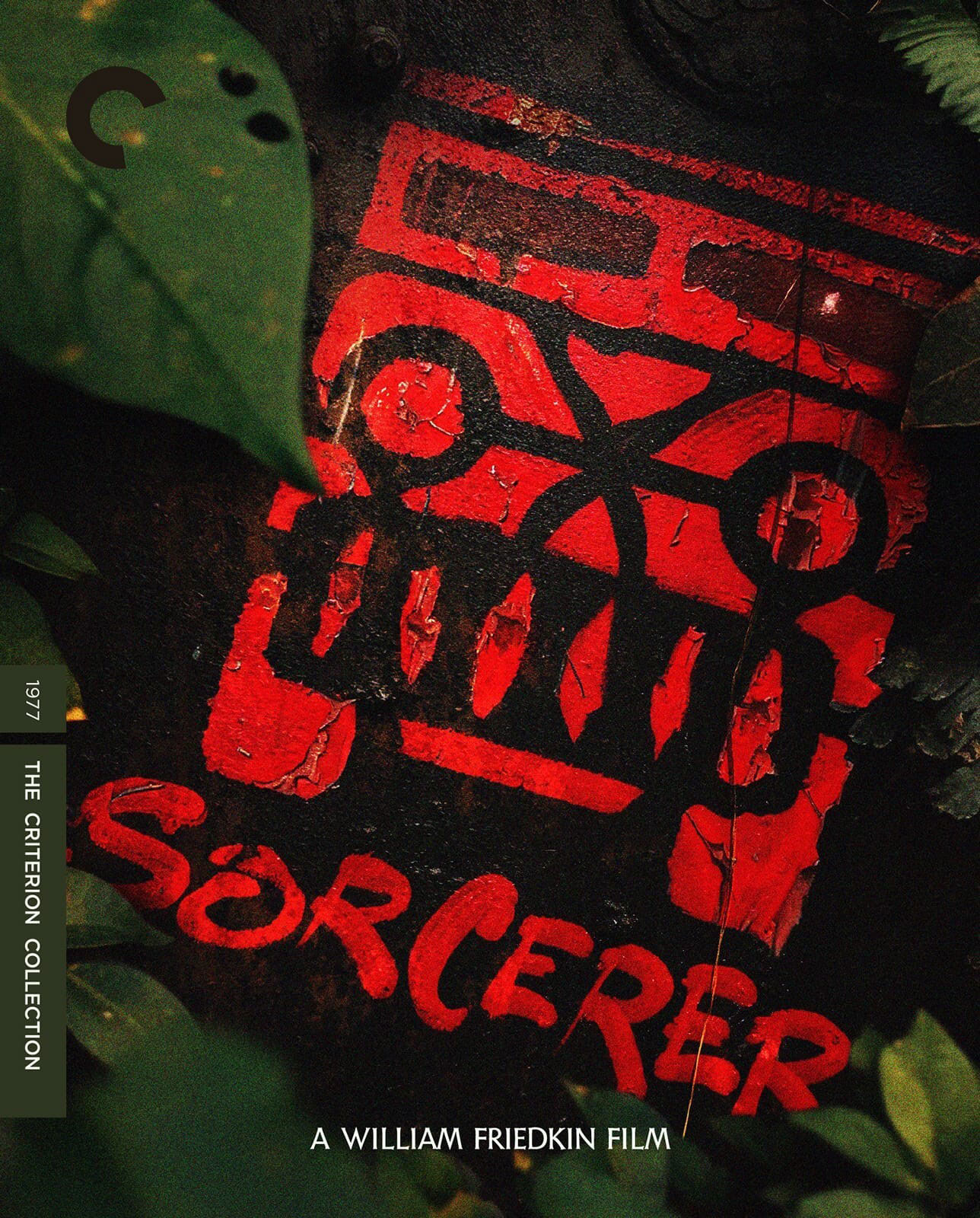
I’ve seen this movie once. Several years ago and I’m sure it wasn’t on any disc-related format. In a word it looked awful. I mean really bad. But, thankfully, Criterion is known for correcting such errors and when I popped in the disc, I was…a bit let down. Yes, it looks better than I remember, but the 1.85:1 HEVC 4K image seems a bit over-processed at times giving it a very odd look and feel. Sure, the detail has been improved thanks to the new scan, but by and large I was a bit let down. Colors are slanted towards blue and green hues and it gives the film a very unnatural look. By no means does this look bad, but sometimes less is more.
Audio: How does it sound?
There are two DTS HD Master Audio tracks on the disc, a 5.1 and a 2.0. This actually keeps the Oscar nominated sound intact that is a good but not great track but utilizes the effects and Tangerine Dream’s score very nicely in the scenes as well as getting the dialogue across as well with the lines that pop up once in a while since most of the film relies on the actions in the film rather than the words. It wouldn’t be a track that is on par with the surround ones of today but for an film in that era, it’s slightly better than decent.
Supplements: What are the extras?
- Friedkin Uncut – This documentary by Francesco Zippel features interviews with Friedkin, screenwriter Walon Green, filmmakers Wes Anderson and Francis Ford Coppola, and others.
- James Gray and Sean Fennessey – This new supplement features a discussion between Grey and film critic Sean Fennessey as they discuss the various aspects of film and its long-lasting influence.
- Sorcerers – Conversation from 2015 between Friedkin and filmmaker Nicolas Winding Refn
- Walon Green and Bud Smith – This is taken from the archives of the collection of Giulia D’Agnolo Vallan, author of William Friedkin and gives us some nice back and forth between Green and editor Bud Smith.
- Behind-the-scenes – Essentially just that. Some six minutes’ worth of some vingnettes and footage.
- Theatrical Trailer
- Illustrated Booklet – An essay by film critic Justin Chang along with the usual inclusion of production notes and stills from the film.
The Bottom Line
This movie came out the same year that Annie Hall and Star Wars did. It was overshadowed (and not nearly as good). But there’s a quality to the film that left me wanting a bit more. Certainly this isn’t for everyone, but for those who have been waiting for Criterion to get their hands on this title – that wait is over.